
Embarking on the illustrious Colorado Trail, which spans approximately 500 miles, is a dream for many outdoor enthusiasts. This scenic adventure stretches from Denver to Durango, traversing diverse terrains and offering a glimpse into the unrivaled beauty of the Rocky Mountains. For those contemplating this journey, an essential question looms: How much does it cost to hike the Colorado Trail? When pondering the financial aspect, it’s also common to wonder, “how long does it take to hike the Colorado Trail?”
While the trek can be completed on average in 4-6 weeks, expenses can widely vary, but the average thru-hiker might spend between $1,000 and $2,000, depending on several factors such as gear, supplies, transportation, and personal preferences. This article provides a comprehensive look into the financial aspects of planning and executing a Colorado Trail hike, ensuring that trekkers can budget effectively for this extraordinary experience.
Pre-Trek Essentials
Before setting foot on the trail, hikers must consider the initial investment in gear and equipment. The cost of high-quality gear that can withstand the challenge of how many miles the Colorado Trail is – all 500 of them – can span a vast range, from budget-friendly to high-end brands. Core items typically include a backpack, tent, sleeping bag, and various tools needed for navigation and survival. On average, you might expect to spend:
- Backpack: $100 – $300
- Tent: $150 – $500
- Sleeping Bag: $100 – $400
Permits are not typically required for hiking the Colorado Trail, but some areas may charge camping fees. Additionally, parking fees at the trailhead can add to your expenses. Training and preparation costs are often overlooked. Depending on your current level of fitness and hiking experience, you may need to invest in courses or local group hikes, which can add up to a few hundred dollars.
Transportation and Logistics
Getting to the trailhead could be a simple local drive if you’re in Colorado or may involve a flight, car rentals, or shuttle services for those further afield. With consideration for the best time to hike the Colorado Trail, which is typically July to September, here’s a breakdown of possible transportation costs:
- Flight to Denver: Approximately $150 – $500 (depending on your location)
- Car Rental to the Trailhead: Around $50 – $100 per day
- Shuttle Service: May cost anywhere from $20 to $100+
Parking fees typically run about $5 to $10 per day, and it’s advisable to check the latest local information and verify whether you need to reserve your parking spot in advance, especially if you’re planning to hike during peak season.
On-Trail Expenditures
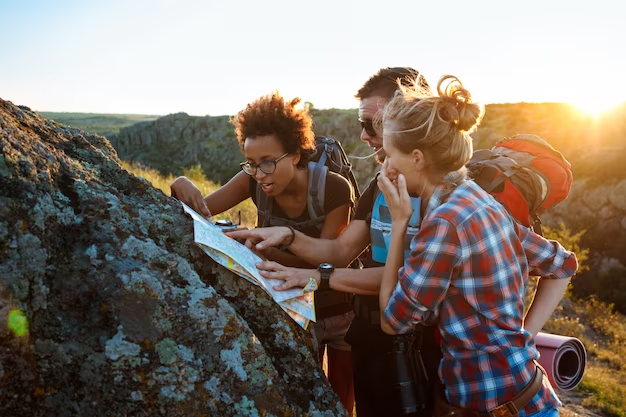
The daily grind of the trail includes food, water, and occasionally, paid accommodation. Managing daily food and water needs is critical, with average daily food costs typically ranging from $15 to $30, based on dietary preferences and caloric requirements. Water along the trail is generally free, as most hikers use filtration systems, though the initial purchase of a reliable filter is part of your budget.
Accommodation and camping fees vary. While backcountry camping is usually free, some wilderness areas might charge fees, and at times, you might want the comfort of a hostel or inn, with prices ranging from $20 to $80 per night.
It’s wise to set aside emergency funds for unforeseen costs such as equipment replacements or medical supplies. An emergency fund of $200-$500 is generally recommended for peace of mind. Also practical to consider when to hike the Colorado Trail, as emergencies can vary with the seasons.
Resupply Strategies and Costs
Resupply is a crucial part of long-distance hiking. It entails planning points along the trail where you can restock supplies. Here are two common strategies:
- Sending pre-packaged supply boxes to predetermined locations. This can be cost-effective, especially if you’re considering the duration – “how long does it take to hike the Colorado Trail?” – and buy in bulk prior to your trip. However, keep in mind the postage fees, which are an essential part of your budgeting.
- Purchasing supplies at towns near the trail. Conversely, buying locally can be more expensive due to small-town prices but offers the flexibility to adapt your meals as your journey progresses.
If you are amongst those who prefer cycling, you might instead question, “how long does it take to bike the Colorado Trail?” Biking can be faster, but it requires different planning for resupplies and gear, which might influence the total cost of your adventure.
To incorporate how these strategies look in practice, consider the following resupply table, which provides an example of potential costs:
| Resupply Point | Package Shipping Cost | Cost of Purchasing Locally |
|---|---|---|
| Breckenridge, CO | $20 | $50 |
| Twin Lakes, CO | $20 | $60 |
| Buena Vista, CO | $20 | $75 |
Health and Safety Considerations
Venturing into the wilderness comes with its share of risks, making health and safety supplies a non-negotiable expenditure on the Colorado Trail. The primary concern for any hiker should be a comprehensive first aid kit, which can cost between $25 to $100 depending on the complexity and the quality of the items. Furthermore, always consider redundancy for critical items such as water treatment solutions and fire-starting methods. Survival gear, including a multi-tool, compass, emergency blanket, and signaling devices, can run another $50 to $150.
Travel insurance is a smart investment for any long-distance hike, especially for international hikers or those embarking on trips extending beyond a month. Prices for insurance can range depending on the length of coverage and the level of protection desired, but typically start around $100. Wilderness permits are usually not necessary for the Colorado Trail, but it’s essential to research and abide by all local regulations, which might include fire bans or wildlife precautions.

The Price Tag of Convenience
For those seeking a more comfortable experience with additional guidance or support, the cost goes up. Hiring a guide or joining a guided group can alleviate much of the planning and logistical stress associated with such a hike but anticipate this service to cost in the thousands, as opposed to doing it independently.
Some hikers might prefer the convenience of support services like pre-arranged accommodation, food drops, or even a service to carry their gear to the next checkpoint. This luxury can escalate costs significantly:
- Guided Hiking Services: Starting around $2,000 to $4,000
- Support Services (like gear portage): Varying widely, potentially several hundred dollars for the trip duration
It’s all about balancing the value of convenience against your budget and desired experience. Self-guided expeditions offer a sense of accomplishment and independence, alongside lower costs, while guided or supported hikes come with ease and professional assistance at a premium.
Cost-Cutting Tips for Hikers
Cutting costs without sacrificing safety or enjoyment is the goal for many hikers on the Colorado Trail. Budgeting for the trail is essential, and doing so requires thorough research and planning. Consider these tips to save money:
- Buying Discount Gear: Opt for last season’s models or lightly used equipment, and keep an eye out for sales and clearance events.
- Group Savings: Sometimes, buying in bulk or traveling with a group can shave costs on gear and food.
Seasons can also play a role in expenses, with the best time to hike the Colorado Trail typically suggested as summer to early fall, avoiding the need for expensive winter gear. Depending on the timing of your hike, you could also chase seasonal discounts for gear and travel bookings.
Investing in the Experience
Reflecting on the costs accumulated, remember that hiking the Colorado Trail is an investment in experience, memories, and personal growth. While you can tally the expenses in dollars and cents, the value of the journey is often perceived as priceless. Alongside meticulously saved funds, consider the trail’s long-term benefits, including health improvements, psychological well-being, and the wealth of stories you’ll have to share.
The costs of such an adventure can be managed through diligent saving and spending strategies, and for many, the Colorado Trail becomes an achievable dream. Whether mapping out a precise budget or figuring out creative ways to lower expenses, the most pivotal point is embarking on the trail well-prepared, both financially and mentally.
In a nutshell
In conclusion, the cost to hike the Colorado Trail can vary widely, with an average range of $1,000 to $2,000 for a thru-hike. Your expenses are controllable through choices about gear, supplies, time of year, and the level of comfort you desire. By understanding the potential costs and planning accordingly, hikers can undertake this memorable journey with confidence. The investment in this adventure goes beyond monetary value, offering rich experiences, personal growth, and a deeper connection with nature.
FAQ
What’s the average daily cost for hiking the Colorado Trail?
The average daily cost for hiking the Colorado Trail can range from $15 to $30 for food, with additional costs for occasional accommodation and resupply fees. Emergency funds should also be accounted for in your daily budget.
How can I save money on gear for the Colorado Trail?
To save money on gear, consider purchasing used equipment, shopping at outdoor discount retailers, or buying during off-season sales. Also, borrowing gear or buying last season’s models can reduce costs significantly.
Are there any permits or fees required to hike the Colorado Trail?
Generally, no permits are needed to hike the Colorado Trail, but certain areas may require small fees for camping or parking at trailheads. Always check the latest regulations for the areas you will traverse.
Can I hike the Colorado Trail without prior backpacking experience?
Yes, you can hike the Colorado Trail without prior backpacking experience, but it’s essential to prepare adequately with proper training, physical conditioning, and knowledge of backcountry skills. Guidance from experienced hikers or training courses can be invaluable.
What is the best time of year to hike the Colorado Trail to minimize costs?
The best time to hike the Colorado Trail to minimize costs is during the summer to early fall. During this time, trail conditions are ideal, and you avoid the additional expense and preparation required for winter conditions. However, it’s also the time when most services and gear tend to be at regular prices due to demand, so you should weigh the cost benefits of hiking in the offseason.


