Litchfield National Park, which is located in Australia’s Northern Territory, is one such place that surrounds you with the beauty of nature and stunning landscapes. The park, known for its beautiful waterfalls and ancient stone formations, is perfect for adventure lovers and those seeking recreation in nature. Litchfield National Park tours provide an ideal way to explore its diverse attractions, offering guided experiences to the park’s best spots. Just a few hours’ drive from Darwin, Litchfield is vast, with so much to see and do that you can easily spend a day or more exploring its wonders. With numerous accommodation options and campsites nearby, it promises an unforgettable adventure for visitors—whether it’s walking amidst dense green rainforests, swimming in pristine pools, or marveling at the enormous termite mounds that dot the landscape.
A Few Fast Facts
- Location: Northern Territory, Australia
- Size: Approximately 2,000 square kilometers
- Established: 1986
- Climate: Tropical with a wet and dry season
- Main Attractions: Florence Falls, Tolmer Falls, Cathedral Termite Mounds, Magnetic Termite Mounds and others
Best Time To Visit Litchfield National Park

From May to October is the best period in which people can visit Litchfield National Park and it is in the dry season. During this period, the waterfalls within the national park, green vegetation, and swimming areas are best enjoyed. The amount of humidity and rainfall is relatively low in the dry season leading to clear accessible roads and favorable conditions for outdoor activities. The period from November to April is the wet season, which means high level of rainfall increases the vegetation and largely makes the park look more beautiful with mountaineering scenery. The wet season is characterized with high water levels and in some instances flooding which may restrict some physical activities but overall presents other beautiful activities.
Top 10 Things to Do in Litchfield National Park
1. Begin Your Day at Berry Springs
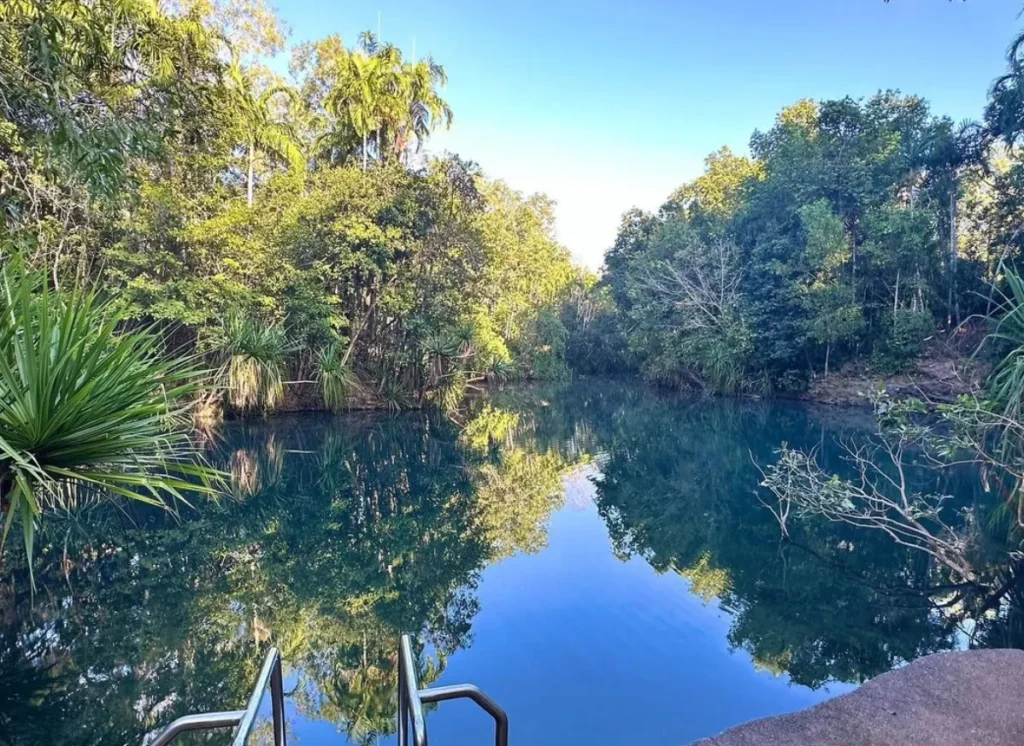
Start your travels at Berry Springs which is well known for its beautiful water bodies. It is an inviting swimming area that has several rock pools with one large plunge pool perfect for cooling down and unwinding. Enclosed in green rainforest and monsoon forest, Berry Springs is a great place to take a swim. There are picnic tables and walking paths on which visitors can spend the better part of the day in nature and relaxing.
2. Explore Batchelor’s Backstory
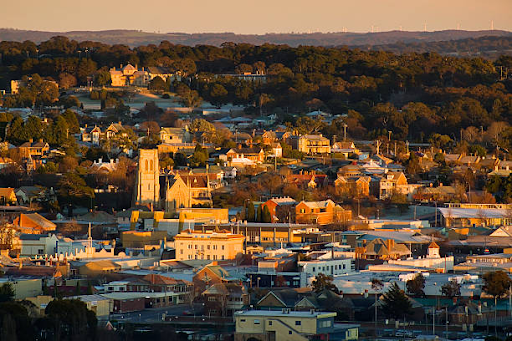
Just outside the park, the town of Batchelor is full of interesting history. It was a mining center but these days Batchelor is the gateway to Litchfield. The Batchelor Museum displays many fascinating facts about the first postal settlers especially the mining of the region and culture of the people. For the larger audience, the town has been helping preserve the twentieth century with some exhibits and information on Warray Aboriginal peoples and the lands they used to occupy.
3. Marvel at the Magnetic Termite Mounds
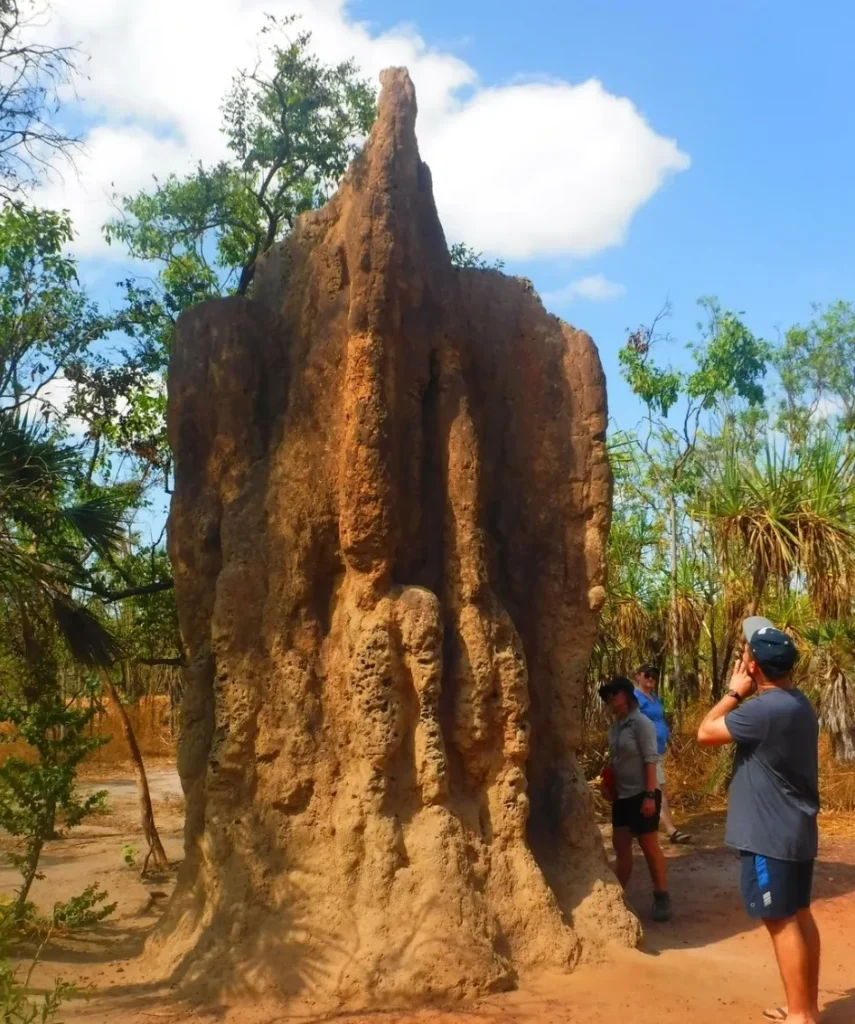
One of the most interesting natural attractions in Litchfield is the field of Magnetic Termite Mounds. The eastern side of large thermos, that is located in The Central Valley, ukrene Moun, is ambitious construction of termites. These particular constructions are oriented to the possibility of stacking perfectly to the north and provide interesting physical and geological observations and would serve well in photography purposes. The viewing area allows appreciating the volumes and details of these attractions.
4. Fall in Love with Florence Falls
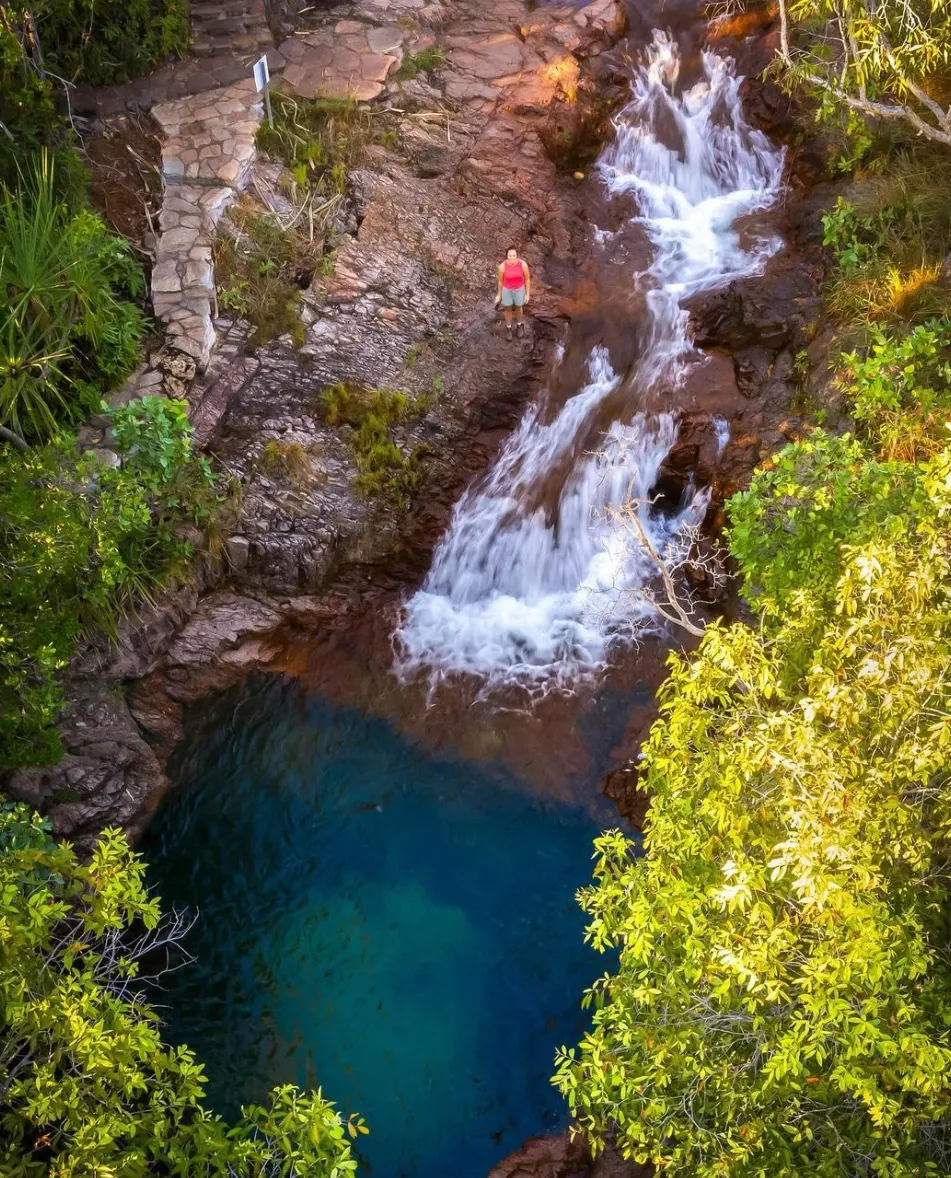
Another of the parks hottest attractions is its Florence Falls deep plunge waterfall and its double fall. The other falls have natural pools where people swim offering a cool but inexpensive experience filled with clear waters. Walking few yards from the parking lot directs to the vantage points offering good views of the dense greenery and the sound of the falls in the distance.
5. Lounge Around at Buley Rockhole

Buley Rockhole is a collection of myriad intermingling rockpools and clearely waters full of swims, that comes as a perfect reflux from the hulabaloo. Buley Rockhole consists of natural rock hiding some rock pools and each one provides some fun water activity. There is also a lot of room and very nice nature from Buley Rockhole where one can laze around in the sun with beautiful sights all around.
6. Take in the Views of Tolmer Falls
Tolmer Falls is the popular tourist spot it is claimed mostly because of the beauty and panoramic sight it offers. Water from the falls spills into a narrow, rocky valley with high walls and lots of greenery. At Tolmer Falls, swimming is out of the question due to the high cliffs and sheer volume of the waterfall, but there are standing areas from where this impressive Waterfall and scenery around it can be looked at. Besides, this area has many animals like Australian butterflies and birds, which are interesting to observe.
7. Walk on the Wild Side at Wangi Falls

Wangi Falls is in Litchfield National Park and it is another prominent object appreciated by visitors to the park due to the beautiful waterfalls and large waterhole. The sun starts being relentless, and the best place to grab a breath and enjoy the view is at the feeders of the falls where there is a rain forest. Around the falls, there are walk batons that lead jungle path through the jungle with views of the falls from different perspectives. Wangi Falls provides relaxation to the visitors while at the same time offering thrilling outdoor activities to visitors, therefore, one should ensure to include the place in their itinerary.
8. Find The Lost City
The Lost City is a remarkable land formation that consists of several sandstone columns and rock formations which gives the idea of the ruins of some amusing settlements. This part of the park is located to the north and can be accessed primarily through a 4WD road which adds the thrill of going there. Finding and Exploring the Lost City in Litchfield is an adventure to tread and within it lie geologic vistas that speak to an ancient place of wonder as well as rock structures that have taken lipid formations through several eons of ages.
9. Step Back in Time at Blyth Homestead
Blyth Homestead is a historic site that provides details of what life was like for the early settlers of the Northern Territory. This fully restored house illustrates the struggle and the way of life of the furthest early settlers. Situated close to Litchfield Park Road, Blyth Homestead is worth a visit for people with an interest in the region’s historical as well as cultural aspects. Learning about the history of the area is also made more fun as it is accompanied by great views, which are quite breathtaking..
10. Fly High on a Scenic Flight
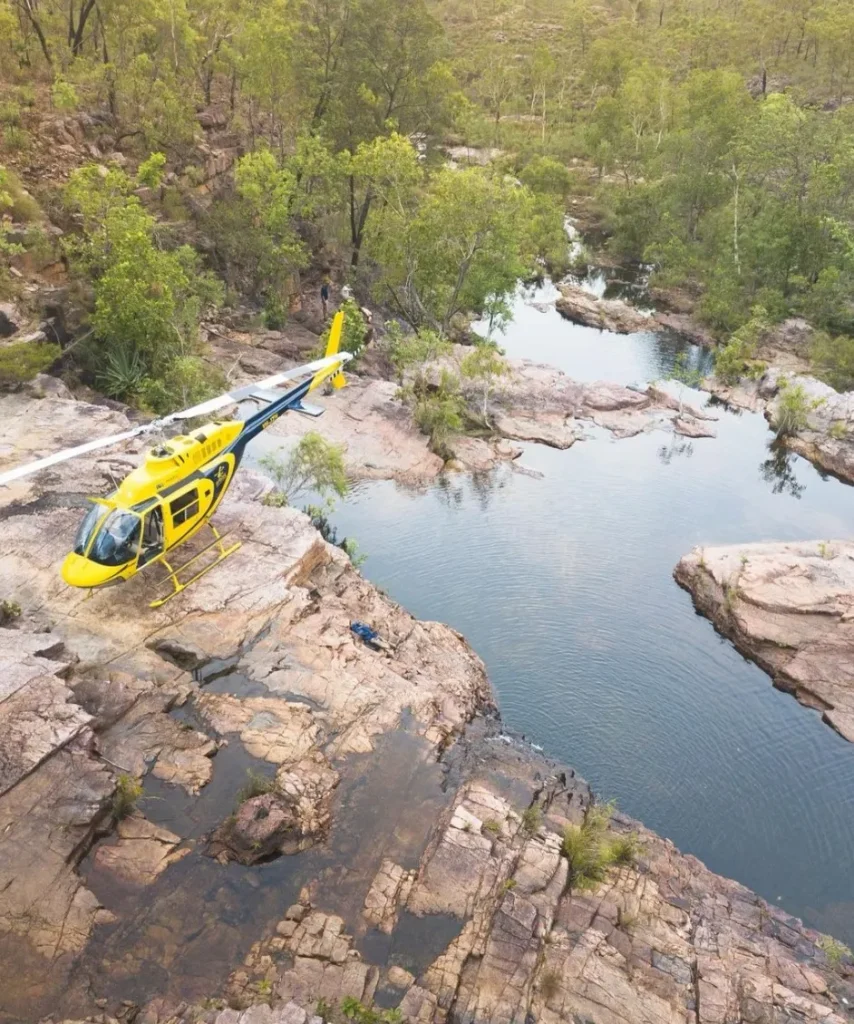
If you want to see Litchfield National Park from a different angle, take a scenic flight with Litchfield Helicopters. This type of fun activity gives a bird’s eye view of the beautiful waterfalls, huge termite flats, and thick rainforest within the park. From to up in a scenic flight, one can admire the beauty of the natural features of the park that are exhilarating including Tolmer Falls, Florence Falls, and the great monsoon forest.
Table: Key Attractions in Litchfield National Park
| Attraction | Highlights | Best Time to Visit |
|---|---|---|
| Berry Springs | Crystal-clear pools, refreshing swim | Dry season |
| Batchelor | Historical insights, Butterfly Farm | Anytime |
| Cathedral Termite Mounds | Enormous termite mounds, unique structures | Dry season |
| Florence Falls | Double waterfall, plunge pool | Dry season |
| Buley Rockhole | Series of rock pools, relaxing swims | Dry season |
| Tolmer Falls | Dramatic waterfall views | Dry season |
| Wangi Falls | Popular swimming spot, picnic tables | Dry season |
| Lost City | Ancient rock formations, hiking | Dry season |
| Blyth Homestead | Historic homestead, early pioneer life | Anytime |
| Scenic Flight | Aerial views of the park’s attractions | Dry season |
Conclusion
Litchfield National Park is full of natural attractions and has enough adventure to keep the visitor occupied. waterfalls and swimming holes, gorges and cliff faces covered in unusual granite and still standing remnants of human-made structures – all these make the park very rich in natural and historical factors. It’s a traveler’s dream whether you are going to have a short one-day visit or a longer stay, due to the fantastic scenery and distinctive features of Litchfield Park. There are a lot of places to stay, including hotels and campsites, where one can indulge into the adventure-filled environment of the park and take some interesting and memorable pictures.
FAQ
When is the most suitable time for a visit to Litchfield National Park?
In terms of peak tourist season in Litchfield National Park the best time falls between May and October as it is referred to the dry season. The weather during this period is mildly stable, the roads are open and it is favorable to do sightseeing within the confines of natural attraction in the park. From November to April the wet season occurs where it rains heavily and this changes the environment and the park itself providing a more entertaining experience none the less.
Do you have sites for camping within the Litchfield National Park?
Yes, Litchfield National Park offers several camping sites and accommodation options. Established campsites are available at Florence Falls Campground, Buley Rockhole Campground and other camps with basic amenities. Advice is mainly given in this case to avoid disappointments, especially when it is least used i.e. off-peak periods.
Can visitors swim in the waterfalls at Litchfield National Park?
Almost all of the swimming areas include Florence Falls, Buley Rockhole, Wangi Falls and other swimming areas within the Litchfield National Park. However, swimming is not allowed at Tolmer Falls. Check local weather and water advice before swimming.
What are the Magnetic Termite Mounds?
In Central Valley of Litchfield National Park, there are many termite’s built structures called Magnetic Termite Mounds which have tall narrow and tall cylindrical shapes. These magnets are pointer north which also indicates how well the termite is good at engineering.
Is there a bus service from Litchfield National Park to Darwin?
The Litchfield National Park is roughly about a one and half hour drive away from Darwin city. The park is well connected by sealed roads which include Litchfield Park Road. For people who do not have a car, there are day trips and public transport available to visit the park and visit its sites.