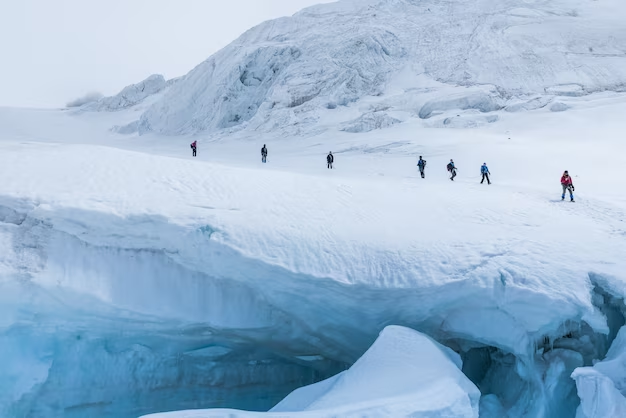
Antarctica, the Earth’s southernmost continent, is renowned for its stunning, extreme, and often harsh environment. Against all odds, a variety of resilient creatures call this icy realm home all year round, adapting impressively to one of the harshest climates on our planet. Amidst the curious questions such as “do you need a passport to go to Antarctica?”
it’s fascinating to note the wildlife that doesn’t concern itself with human borders; from the waddling emperor penguins to the colossal whales that graze its surrounding oceans and the microscopically tiny krill that form the basis of the local food web, Antarctica is teeming with life that has uniquely evolved to thrive in perpetual cold and seasonal darkness. This article ventures into the frozen wilderness to explore the creatures that persist throughout the year in this extraordinary ecosystem.
Understanding the Antarctic Climate
When it comes to the context of survival, the Antarctic climate presents a formidable challenge. Temperatures frequently plummet below -60°C (-76°F) and violent storms batter the continent, making it one of the least hospitable places on Earth. During the austral winter, the continent is plunged into near-total darkness, while in summer the sun barely sets. Adapting to these conditions requires remarkable strategies, ranging from behavioral to physiological changes in the indigenous wildlife.
The Adaptations for Survival
The animals of Antarctica have developed extraordinary adaptations to endure the bitter cold and thrive in this seemingly inhospitable environment. Insulation in the form of blubber and feathers, behavioral huddling to retain heat, antifreeze proteins preventing cell damage, and the ability to slow metabolic rates are just a few of the life-sustaining tricks these creatures have up their sleeves. Whether it’s the emperor penguin’s tightly packed feathers providing waterproofing and warmth, or the Weddell seal’s unique blood composition allowing it to dive to deep, icy waters, the common denominator is clear: adapt or perish.
The Iconic Emperor Penguins
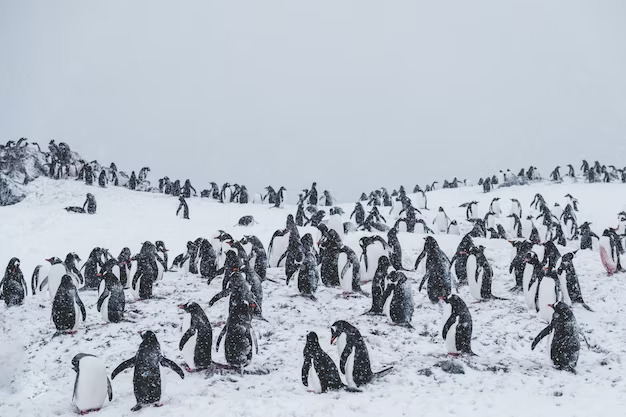
- Emperor Penguins (Aptenodytes forsteri) are the quintessential symbol of Antarctic endurance. Nesting on the very ice that covers much of the continent, they endure some of the Earth’s most extreme weather conditions.
- Despite the challenging environment, these remarkable birds have a complex and fascinating breeding cycle, which weaves seamlessly into the harsh tapestry of their surroundings.
Life Cycle of Emperor Penguins
The life of an emperor penguin begins with a synchronicity of timing and stamina. Each year, as the Antarctic winter takes hold, penguins embark on a formidable journey inland to their traditional breeding sites. After laying a single egg, female emperors leave it with the males while they return to sea to feed. During this time, male penguins keep the precious egg warm on top of their feet, covered by a flap of skin, in a communal act of preservation as they brave the long polar night together.
The Emperor Penguin’s Survival Techniques
Aside from the nurturing embrace on their fathers’ feet, emperor penguin chicks are born with a layer of down to help them fend off the cold. Only by staying close and huddling together can these young birds survive the freezing temperatures until their waterproof feathers develop. This incredible social behavior is a testament to the collaborative spirit within the animal kingdom, where the collective welfare often takes precedence over the individual’s.
Seals: The Ice-Dwelling Specialists
As perennial residents of Antarctica, seals are born ice navigators. Sporting a thick layer of insulating blubber and countercurrent heat exchange systems in their flippers, these are some of the most well-equipped mammals for life on ice. Among the species that make their home in Antarctic waters are:
- The Weddell seal (Leptonychotes weddellii), known for its impressive diving capabilities.
- The Crab-eater seal (Lobodon carcinophaga), with its krill-filtering teeth, a specialized adaptation for its crustacean-heavy diet.
Types of Seals Found in Antarctica
| Species | Key Adaptation | Diet |
|---|---|---|
| Weddell Seal | Ability to dive up to 600 meters and remain underwater for over an hour | Mainly fish and cephalopods |
| Leopard Seal | Powerful jaws and agility to hunt penguins and smaller seals | Penguins, fish, and krill |
| Crab-eater Seal | Lobed teeth for filtering krill | Almost exclusively krill |
| Elephant Seal | Size and blubber for thermal insulation | Fish, squid, and other marine invertebrates |
The Seals’ Role in the Ecosystem
Antarctic seals play a critical role in the marine ecosystem as apex predators, by helping to maintain the balance of species below them in the food chain. Through their diet of fish, squid, and crustaceans, they regulate prey populations and influence the distribution of other predators, including birds and larger cetaceans. In a place where life hangs in a delicate balance, the feeding habits and movements of seals have cascading effects throughout the food web.
The Mighty Whales of the Southern Ocean
Several species of whales find the nutrient-rich waters of the Antarctic irresistible, migrating thousands of miles to feast on the abundant food supply. The Southern Ocean is a crucial breeding ground for these giants, and their presence signifies the ocean’s health and productivity. Although not all whale species are year-round residents, several visit annually, punctuating Antarctic waters with their majestic forms and behemoth appetites. When discussing the human footprint in this pristine environment, one might ponder, “what is the human population in Antarctica?” Given that the only residents are temporary and revolve around international research efforts, the human population fluctuates but is typically around 1,000 to 5,000 people, depending on the season.
While many are curious about the wildlife, others ask questions such as “is there a population in Antarctica?” or “can you live in Antarctica permanently?” The answer is rather unique; while there is no indigenous human population in Antarctica, the continent does host a fluctuating community of scientists and support staff at various research stations. These individuals do not live in Antarctica permanently but stay for durations that can range from a few weeks to over a year, depending on their research needs and objectives.
The Unseen Heroes: Antarctic Krill
Antarctic krill may be small in size but they are monumental in impact, forming the bedrock of the Antarctic food web. Each one is merely a few centimeters long, yet in their billions, they create one of the largest biomasses on Earth, serving as the primary food source for many of Antarctica’s species, from the smallest fish to the largest whales. These shrimp-like creatures have developed a remarkable ability to survive and reproduce in the frigid Antarctic waters, undergoing massive seasonal migrations that are essential for their feeding and breeding cycles.
The Importance of Krill in the Food Web
Without krill, the Antarctic ecosystem would collapse. These tiny crustaceans are a nutritional powerhouse, high in omega-3 fatty acids, which makes them a crucial food source for numerous marine animals. The health of krill populations is so vital that scientists often use them as an indicator for assessing the overall health of the Antarctic marine ecosystem. Climate change and fishing pressures have raised concerns about the sustainability of krill populations, underscoring the need for careful management of this essential resource.
Krill’s Adaptation to the Antarctic Climate
Remarkably, Antarctic krill have adapted to survive the freezing temperatures by accumulating high levels of glycoproteins, which act as antifreeze in their bodily fluids. This prevents ice crystals from forming and damaging their cells, allowing them to thrive in icy waters where other species would perish. Krill also engage in diurnal vertical migrations, traveling to deeper waters during the day to avoid predators and surfacing at night to feed on phytoplankton.
Flying Residents: Antarctic Birds
Antarctica’s skies are graced by a selection of hardy avian species, each uniquely adapted to the chilling conditions of the continent. Among these, the most widely recognized are the various species of petrels and albatrosses that have designed their life cycles around the bountiful Antarctic summers and endured the barren winters.
- The Snow Petrel (Pagodroma nivea) is pure white, a ghostly figure against the stark Antarctic landscape.
- The Wandering Albatross (Diomedea exulans), with the longest wingspan of any living bird, soars over vast tracts of ocean, scarcely needing to flap its wings.
Different Types of Birds in Antarctica
Bird life in Antarctica is surprisingly diverse, with species such as the South Polar Skua and various species of terns and shearwaters calling the Southern Ocean their home. While not all birds stay in Antarctica year-round, those who do have impressive survival skills, including the ability to navigate the fierce winds and find food in seemingly barren landscapes.
The Breeding Season and Bird Behavior
Antarctic birds have synchronized their breeding season with the summer months when food is plentiful and the weather is somewhat milder. They exhibit interesting behaviors, such as cooperative breeding and nest-building with pebbles, showcasing resourcefulness in an environment where typical nesting materials are scarce. Long daylight hours provide ample opportunity for foraging, helping parents to amass enough food to raise their chicks before winter descends once again.
The Resilient Antarctic Invertebrates
Beyond the charismatic megafauna, a host of less conspicuous organisms reside in Antarctica’s unique habitats, including a variety of invertebrates. These range from microscopic mites and springtails that inhabit the soil to the colossal, gelatinous sea spiders that patrol the ocean floor. Remarkably, these tiny creatures can often survive conditions that would be lethal to larger animals, such as desiccation and freezing temperatures.
- Antarctic Tardigrades, also known as water bears, are renowned for their ability to go into a state of cryptobiosis, withstanding extreme conditions.
- Nematodes and other soil-dwelling invertebrates play a fundamental role in nutrient cycling, breaking down organic matter and contributing to the sparse soil ecology of the Antarctic tundra.
The Role of Invertebrates in Nutrient Cycling
Invertebrates facilitate the decomposition process, turning dead matter into nutrients that can be used by the sparse plant life and microorganisms. In such a cold environment, these processes are considerably slower than in temperate ecosystems, yet they are essential for maintaining the health of the Antarctic ecosystem.
Challenges to Antarctic Wildlife
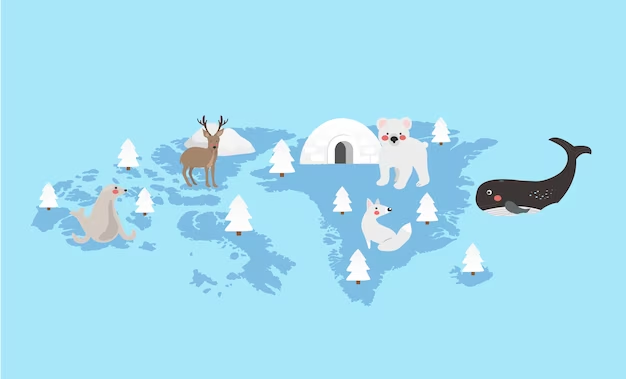
The pristine environment of Antarctica faces several threats, with climate change at the forefront. Rising temperatures can disrupt the breeding patterns of wildlife, melt sea ice essential for organisms like krill and seals, and cause sea levels to rise, which can lead to habitat loss. Additionally, pollution and overfishing pose risks to the delicate food web, necessitating international cooperation to ensure the protection of this fragile ecosystem.
Climate Change and its Consequences
The effects of climate change in Antarctica are not just a concern for the future; they are happening now. Animals are starting to change their geographic ranges in response to shifting ice patterns and temperatures, which can lead to changes in predator-prey relationships and the overall structure of the ecosystem. While some species may adapt, others could face extinction if they cannot cope with the rapid pace of change.
Conservation Efforts for the Future
International agreements, such as the Antarctic Treaty System and the Commission for the Conservation of Antarctic Marine Living Resources (CCAMLR), have been put in place to safeguard Antarctica’s unique environment and its inhabitants. These agreements regulate human activities, including the prohibition of mineral extraction and the careful management of fisheries, to ensure the preservation of this last great wilderness on Earth.
Conclusion: The Antarctic Ecosystem’s Delicate Balance
In conclusion, Antarctica remains one of the most extreme and enigmatic places on our planet, with an array of creatures that have become master survivors through intriguing adaptations and behaviors. As the impacts of climate change and human activity loom large, the future of these species and their habitat hangs in the balance. Now, more than ever, it is imperative that we continue to support and reinforce international conservation measures that protect the remarkable wildlife residing in this frozen frontier. Understanding and preserving this ecosystem is not just about ensuring the survival of Antarctic species, but also about protecting the global climate system that is profoundly influenced by the health of the polar regions.
FAQs About Antarctic Wildlife
- What adaptations allow animals to survive in Antarctica? Animals in Antarctica have evolved a range of adaptations to survive, including thermoregulation techniques like blubber and dense feathers, antifreeze proteins in blood and tissues to prevent ice formation, behavioral strategies like huddling for warmth, and physiological adjustments like slowing metabolic rates during extreme cold.
- How do animals cope with the extreme Antarctic winters? During the extreme Antarctic winters, animals utilize strategies such as migrating to warmer regions, going into states of torpor or reduced activity, hibernating, and relying on stored energy reserves. For example, emperor penguins incubate their eggs on their feet, covered by a brood pouch to protect them from the elements, while seals have the advantage of their thick blubber to insulate against the cold.
- Why is krill considered crucial to the Antarctic ecosystem? Krill is considered crucial to the Antarctic ecosystem because they are a key food source for a wide range of species, from fish to seabirds and mammals like whales and seals. Their abundance and high nutritional content make them the cornerstone of the Antarctic food web, directly or indirectly supporting virtually all higher predators in the Southern Ocean.
- Are there any plants or trees in Antarctica? Antarctica’s harsh climate limits plant life predominantly to lichens, mosses, and algae, with no trees or shrubs present. These cold-adapted plants can photosynthesize during the brief summer months and go dormant during the long winters, surviving in some of the harshest conditions on Earth.
- What conservation measures are in place to protect Antarctica’s wildlife? To protect Antarctica’s wildlife, a range of conservation measures have been implemented, including the Antarctic Treaty System, which sets aside the continent as a scientific preserve, establishes environmental protections, and bans military activity. The CCAMLR regulates fisheries to prevent overharvesting, and various Marine Protected Areas (MPAs) have been established to conserve marine life and habitats.