Let me guess — you’ve seen a few impossibly smooth TikTok arms, watched someone whip sugar paste like it’s a pavlova mix, and now you’re thinking: could I do this too?
Short answer? Yes. But the long answer (and the honest one) is: it depends. Because while sugaring looks easy, there’s a bit more to it than just slapping on syrup and pulling. And if you’ve ever tried doing a Brazilian on your own with a DIY ball of paste made from natural ingredients, you already know what I mean.
In this post, we’ll break down what makes sugaring a learning curve worth climbing — especially if you’re in the beauty game. Whether you’re a newbie beauty therapist or a seasoned waxer eyeing the switch to this increasingly popular method, this is your no-fluff guide to getting it right. And if you’re considering enrolling in a Body Waxing and Sugaring course, you’ll know exactly what to expect by the end of this read.
What It Is and How It Works
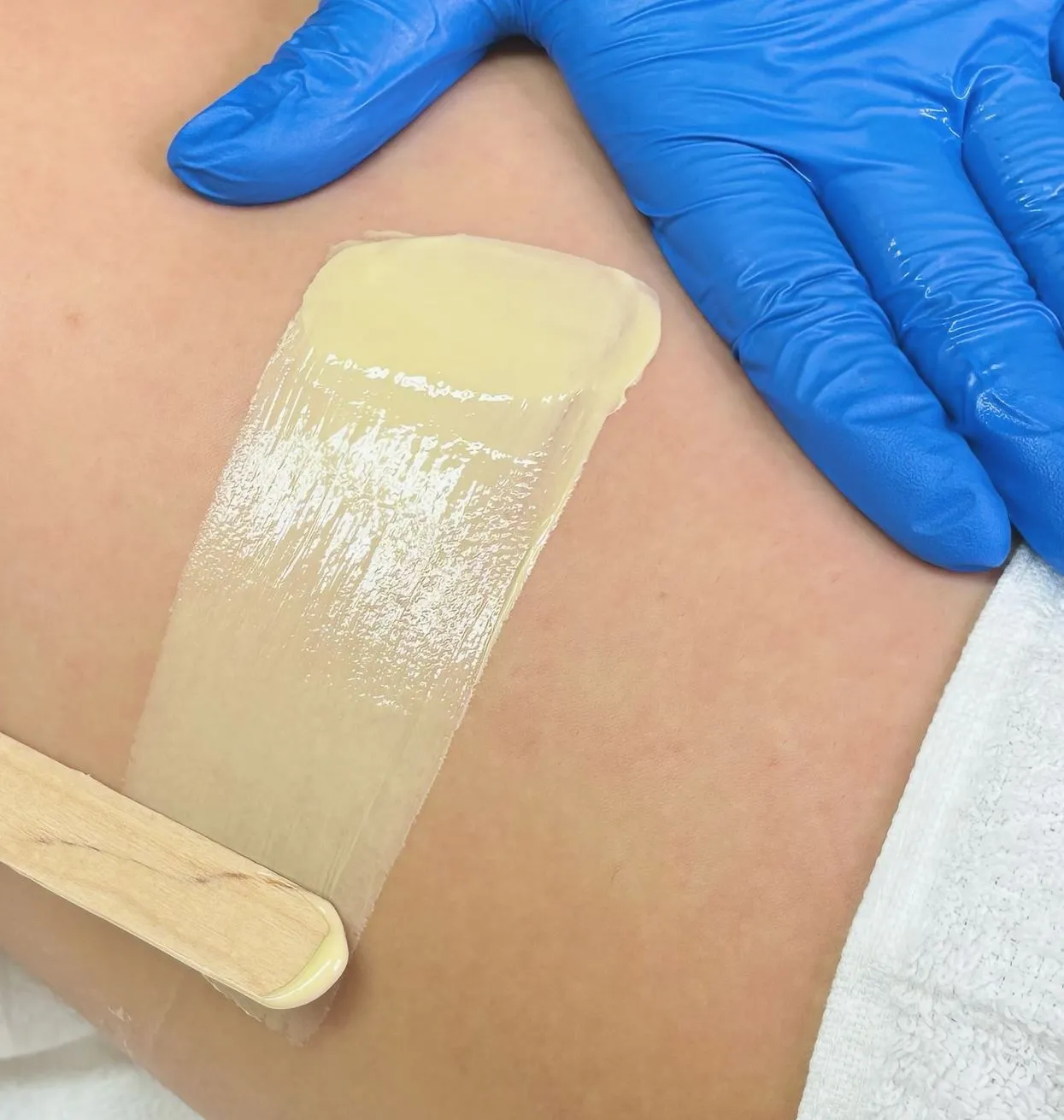
Sugaring is a hair removal method that uses a paste made from edible ingredients like sugar, water, and lemon juice — no cloth strips, no resins, no artificial ingredients. It’s applied against the direction of hair growth and flicked with the natural direction — opposite to traditional waxing techniques. This respects the natural direction of growth, helping to avoid ingrown hairs and making it gentler on the skin.
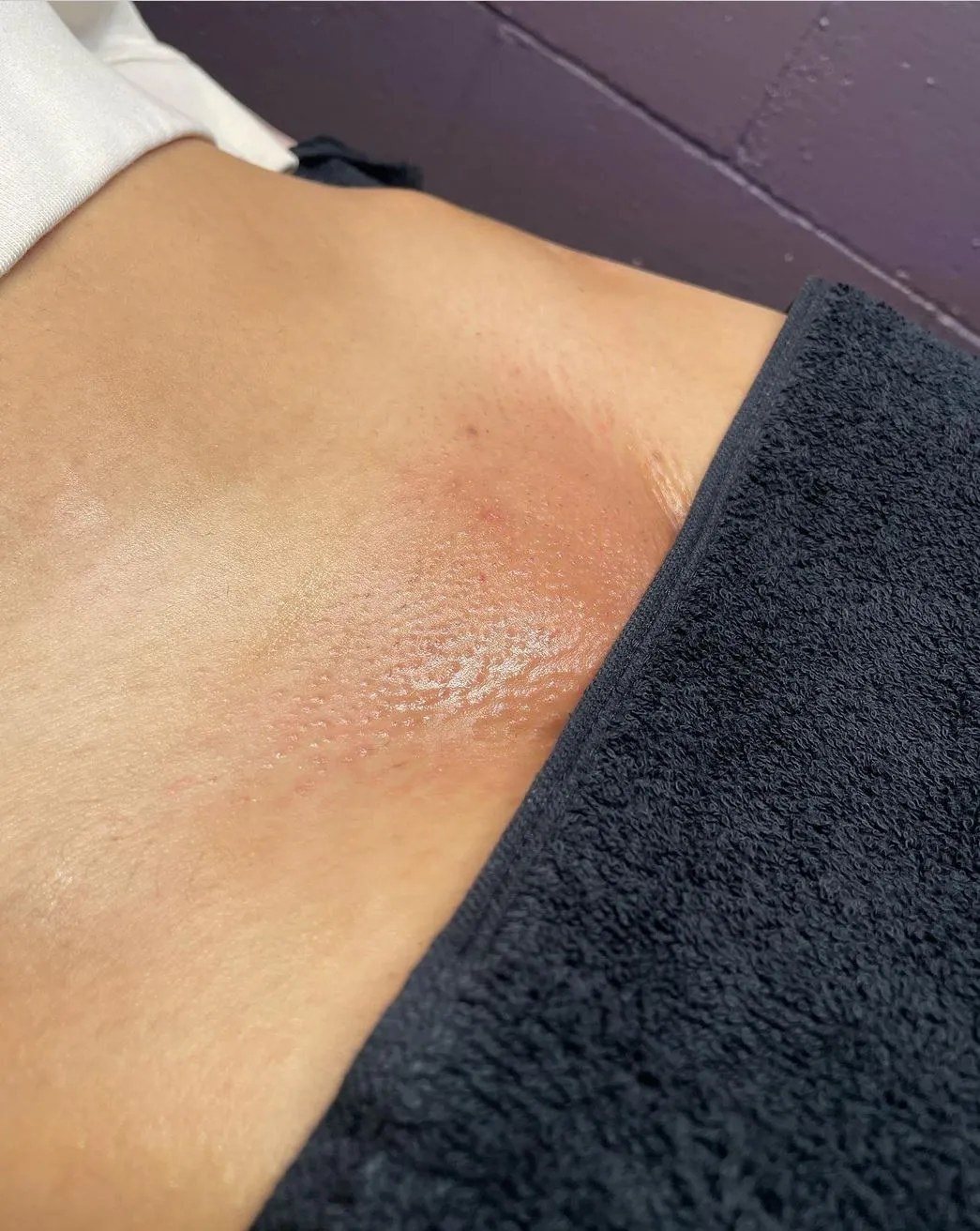
The sugaring process also removes dead skin cells, leaving the skin soft and smooth. It’s suitable for various hair types, including coarse hair, curly hair, and shorter hairs that are often missed with wax. Bonus: it rinses off easily with warm water.
Why it’s making waves in 2025:
- More clients are asking for natural ingredients in their hair removal procedures
- Skin sensitivities and allergic reactions to artificial ingredients are on the rise
- Sugar waxing aligns with clean beauty and skin care trends
- Top studios like Cosmetic Tattoo Brisbane Studio Face Figurati are adding sugaring to their treatment menus due to growing client demand
So yes, sugaring hair removal is having a moment — but only if it’s done properly.
Can Anyone Learn to Sugar?
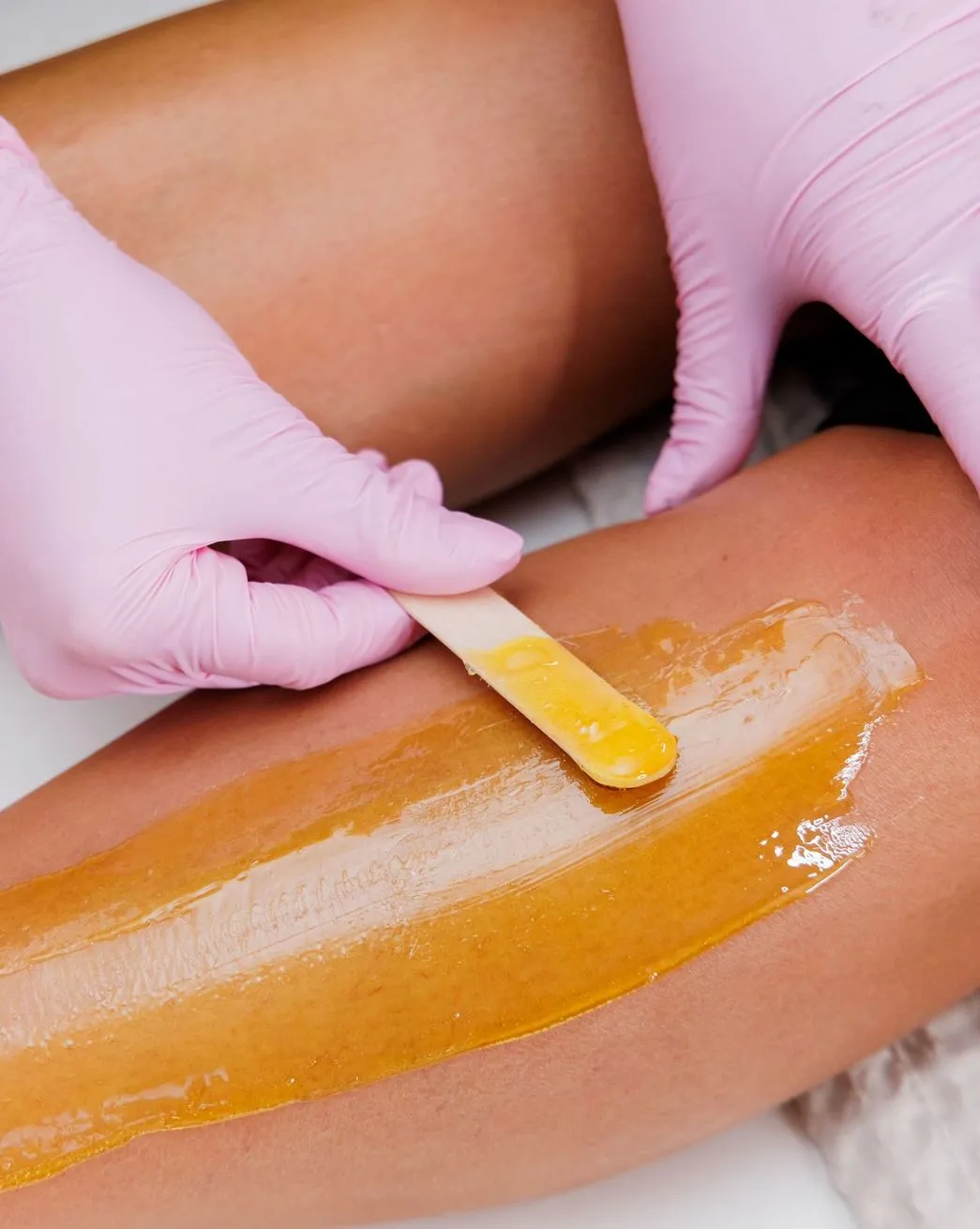
Here’s the truth: sugaring is simple in theory, but tricky in execution.
The sugaring paste is fussy. Your flicking technique matters. And yes, temperature, humidity, and your client’s skin type all come into play.
What makes it a challenge?
- The paste is temperature-sensitive — too warm, and it melts like butter. Too cold, and it’s like trying to spread chewing gum with a butter knife.
- It’s all in the flick — a clean, confident flick in the direction of hair growth is the holy grail. Most beginners either under-flick (leaving residue behind) or over-flick (pulling the layer of skin).
- It’s physical work — you’re working close to the skin, in controlled motions, often on sensitive skin or dry skin with unwanted hairs in tricky spots.
So while you can learn it, it’s not a five-minute skill. It takes tolerance to pain (yours and theirs), a commitment to training, and a whole lot of practice.
Table: Sugaring vs Waxing Learning Curve
| Technique | Skill Onboarding Time | Client Comfort | Product Cost | Mess Factor | Skin Reactions |
|---|---|---|---|---|---|
| Sugaring | 3-6 months | High (great for sensitive skin) | Low | Moderate | Low |
| Soft Wax | 1-2 months | Medium | Medium | High | Medium |
| Hard Wax | 2-4 months | Medium-High | High | Low | Medium-Low |
From Wax to Sugar:
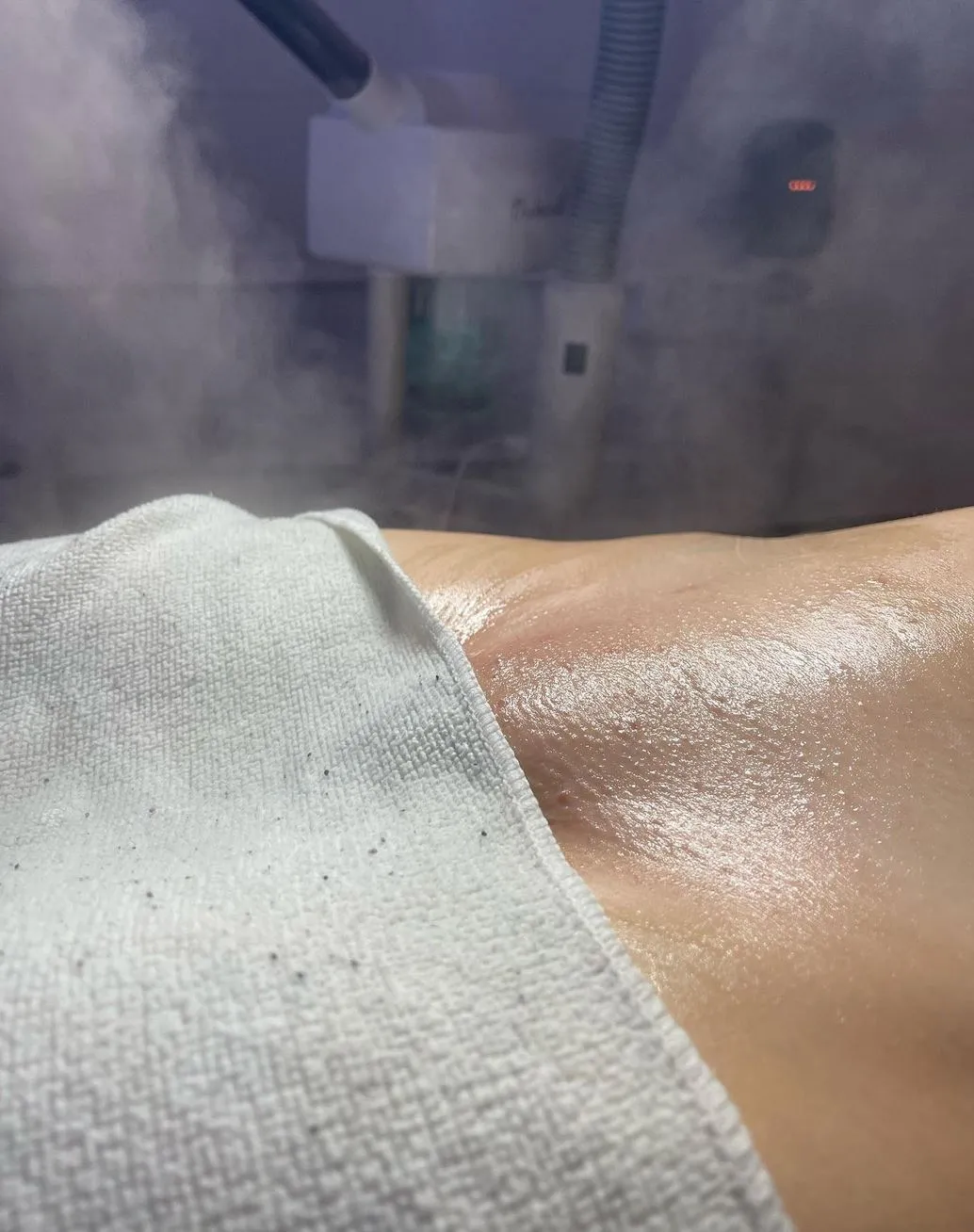
If you’re a qualified beauty therapist or in training, you’ve probably picked up a wax pot before. Sugaring will feel familiar — but also foreign.
What to expect:
- Your first 10 clients will take additional time. Expect longer appointments as you build muscle memory for body hair of different types.
- Courses help, but hands-on practice is king. Book a model day, film your sugaring appointment, and don’t skip drills for pressure and paste handling.
- You’ll mess it up — even expert technicians do. But with each ball of paste, your skill builds.
For a deeper dive into technique, enrolling in a Body Waxing and Sugaring course can be a smart move. These courses break down the fundamentals, teach you how to handle the paste in different conditions, and give you access to trainer feedback — something you just can’t get from YouTube alone.
If you’re self-teaching — look, no shame. But what is the difference between a DIY ball of sugaring wax and real-body sugaring under studio lighting? Massive. For best results, invest in the training process or at least get feedback from a sugaring expert.
Mistakes Every Newbie Makes
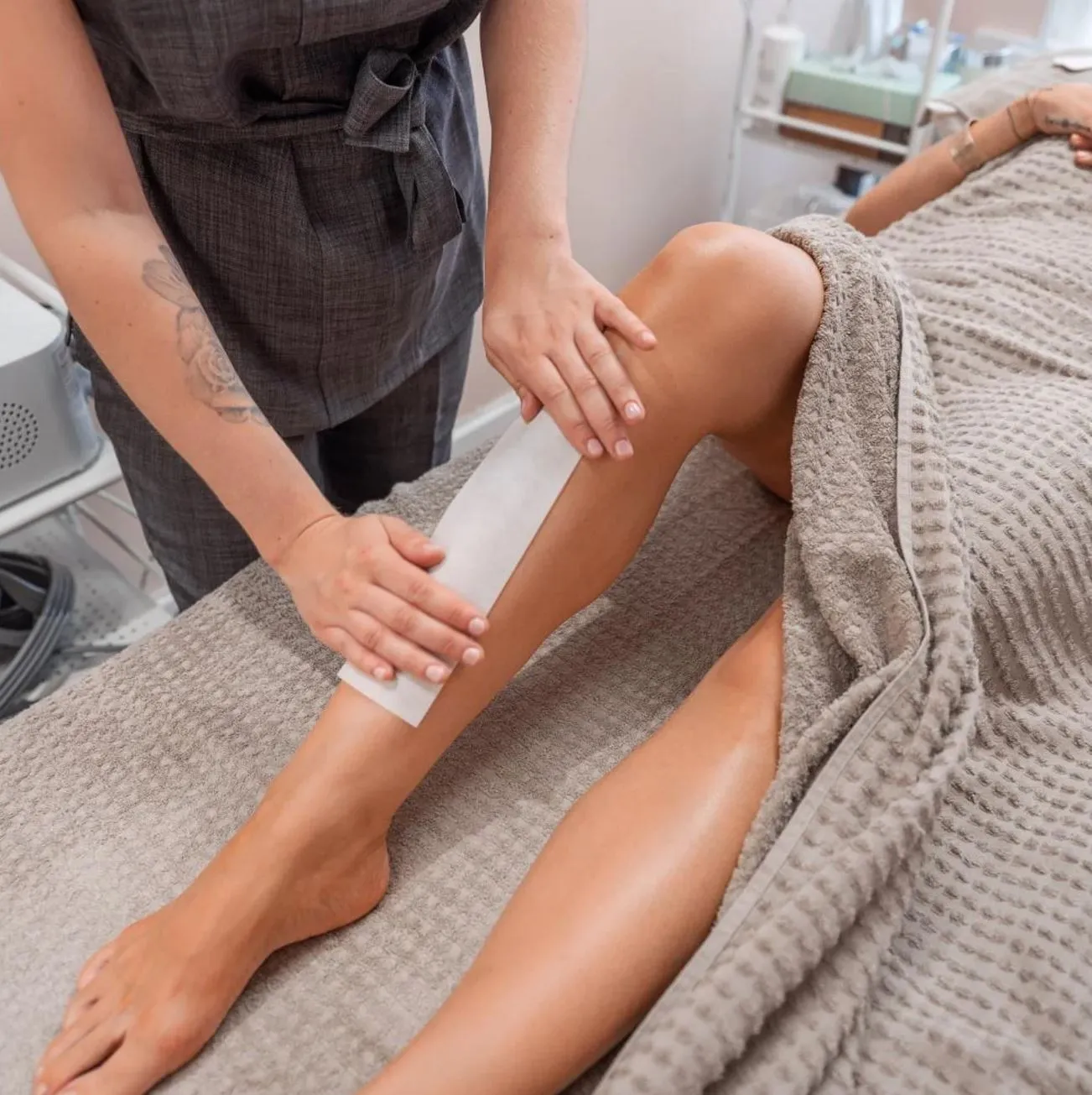
- Using paste that’s too soft — especially in summer. You’ll end up sliding over skin cells instead of gripping hair.
- Skipping prep — clean, dry skin is non-negotiable. Body products like body moisturiser or all-natural moisturiser must be avoided pre-treatment.
- Going over the same patch too many times — especially on sensitive skin. Be strategic to protect the layer of skin.
- Not stretching the skin — particularly crucial for coarse hair and facial areas. Taut skin = better flick and less trauma.
- And of course: not considering pain tolerance, personal preference, or sun exposure before and after. Never sugar over skin that’s been in direct sunlight, recently exfoliated, or freshly tanned.
And of course, not considering pain tolerance, personal preference, or sun exposure before and after. Never sugar over skin that’s been in direct sunlight, recently exfoliated, or freshly tanned.
Trends and Demand
- Google Trends shows a steady rise in sugaring-related searches and interest in hair removal treatment options across Australia.
- Clients are requesting gentler hair removal methods — especially for body hair areas prone to ingrown hairs, like bikini lines or underarms.
- Salon clients prefer natural ingredients — they’re checking the ingredient list and asking about base ingredients more than ever.
- Regular appointments with a sugaring expert result in fewer unwanted hairs, less regrowth, and better skin care outcomes.
Studios like Cosmetic Tattoo Brisbane Studio Face Figurati are leading the way with expert technicians trained in both sugaring and cosmetic tattooing — showing just how complementary these services can be under one roof.
Plus, sugar waxing is ideal for dry skin, skin with sensitivities, or those avoiding certain aesthetic products. It’s a safe and clean choice for hair removal.
My Advice? Give It Time and Get Sticky
If you’re asking, “Is sugaring difficult to learn?” you’re already on the right path. It means you care about the method and want to avoid bad experiences, not just jump on a trend.
Learning sugaring is like learning to ride a bike on a hot day with a client who flinches. But once it clicks? You’ll wonder why you ever messed around with a layer of wax.
Take a course. Book practice models. Stay patient. And always adjust to the client’s skin type, hair growth direction, and tolerance to pain.
FAQ
How long does it take to learn sugaring?
Most beauty therapists need 3–6 months of consistent practice to become confident — especially for sugaring appointments involving Brazilians, facial areas, or coarse hair.
Can I learn sugaring at home?
Yes, but it’s tricky without feedback. Practice on friends with different hair types, consider lighting and humidity, and study real-time demos from sugaring experts.
Is sugaring safer than waxing?
For most skin types, yes. The sugaring process uses natural ingredients, is applied at body temperature, and doesn’t stick to live skin cells — making it gentler and safer.
Do I need a certificate to offer sugaring?
In Australia, yes — particularly if you’re offering hair removal procedures professionally. Insurance requires proof of training in this hair removal treatment.
Is sugaring profitable?
Definitely, the paste is made from affordable, edible ingredients and needs minimal gear. Once you’re skilled, the quick appointments and loyal clients make it a smart choice for hair removal professionals.