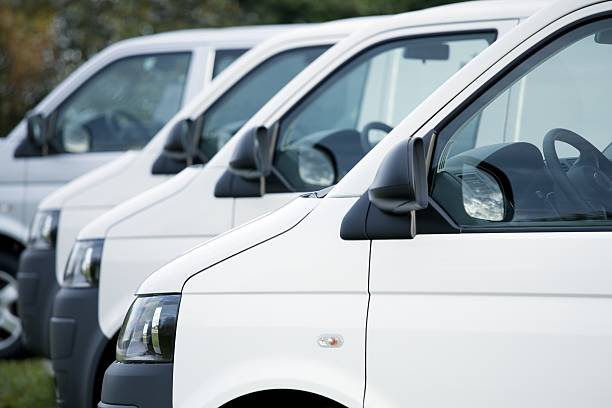
Caravans have been a symbol of freedom and adventure for many years. With the ability to hit the open road and have your accommodations go with you, it’s no surprise that they are gaining popularity. Whether it’s the thrill of the unknown, the convenience of self-sufficient travel, or the memories made, caravans present an attractive option for both solo adventurers and families alike. Let’s dive into what you should consider when investing in one.
Why caravans are gaining popularity
In recent years, the allure of the caravan lifestyle has been on the rise. A blend of nostalgia and the contemporary trend towards minimalistic living has driven many to embrace caravaning. The flexibility of choosing your views, the sense of community with fellow travelers, and the potential cost savings compared to traditional holidaying are just a few reasons why many are taking to the road.
Understanding Your Needs
Before diving into specifics, it’s crucial to understand your needs. Not every caravan will be a good fit for everyone. Are you looking for a small, compact caravan for quick weekend getaways? Or do you need something larger and more equipped for long-haul journeys or even full-time living? Getting clear on this can help you narrow down your options.
Size and capacity considerations
The size of a caravan is usually one of the most critical considerations. Here are some questions to ponder:
- How many people will typically travel with you?
- Do you need extra space for pets?
- Will you be carrying a lot of gear or equipment? Based on these questions, you can determine if a smaller 2-berth caravan or a larger 6-berth model would be more suitable for your needs.
Usage: Holiday vs. Full-time living
Caravans vary greatly in terms of amenities based on their intended use. If you’re looking for a caravan for occasional holidays, you might prioritize different features compared to someone looking to live in one full time. For instance, those on holiday might prioritize a compact design and ease of towing, whereas full-timers might lean towards a more spacious interior and extended amenities.
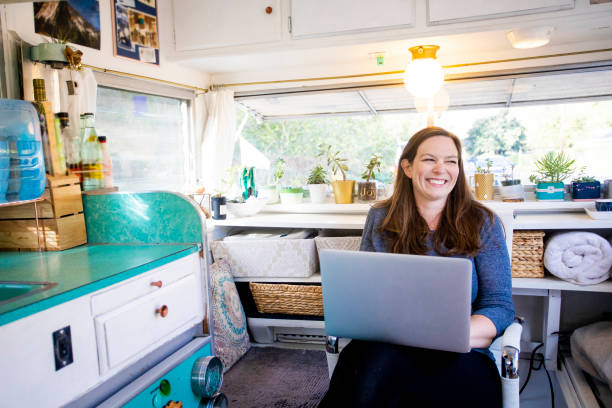
Key Features to Consider
Once you’ve identified your needs, it’s time to dive into the specifics. Let’s start by exploring the inside of the caravan.
Sleeping arrangements and layout
Your sleeping arrangements can make or break your caravan experience. Consider the number of beds you need, the size of each bed, and if they should be fixed or convertible. Some caravans also come with bunk beds, which can be great for families. Layouts can vary, so think about whether you want an end bedroom, a center kitchen, or perhaps a front lounge.
Kitchen amenities
A caravan kitchen can range from a basic setup with just a stove and fridge to a gourmet kitchen with an oven, microwave, and more. Make a list of what’s crucial for you. Here’s a simple table to get you started:
| Kitchen Equipment | Must-have | Nice to have |
|---|---|---|
| Stove | ✔ | |
| Fridge | ✔ | |
| Oven | ✔ | |
| Microwave | ✔ |
Bathroom facilities
Having a comfortable and functional bathroom is paramount, especially for longer trips. The two main things to focus on here are the toilet and shower.
Toilet types
Different caravans have different types of toilets:
- Cassette toilets: These are portable and can be emptied at disposal points.
- Fixed toilets: These are stationary, connected to the caravan’s plumbing.
Shower features
Consider whether you’d like a separate shower cubicle or if a combined toilet-shower space works for you. Some high-end caravans even offer luxurious rainfall showers and heated towel rails.
Sure, let’s continue with the second half of the article.
Safety and Maintenance
When you’re on the road, safety is paramount. A caravan isn’t just a home on wheels; it’s also a vehicle subject to wear and tear, and ensuring its maintenance is crucial for both your safety and your comfort.
Structural integrity and build quality
Always inspect a caravan for signs of wear, rust, or any structural damages. High-quality build materials can prolong the life of your caravan and reduce maintenance costs. For instance, an aluminum frame might offer more longevity than wood. Waterproofing is another critical factor. Ensure that there are no leakages and that the seals are in top condition. This not only keeps you dry but also prevents potential damage to the interior.
Warranty and after-sales service
When buying a caravan, especially a new one, it’s beneficial to have a solid warranty. This can save you from unexpected costs and ensure any issues are promptly addressed. In addition, consider the reputation of the brand or dealer, as this can give you an indication of the quality of after-sales service you can expect.
Additional Amenities and Luxuries
Now that we’ve covered the essentials, let’s delve into the aspects that can turn a good caravan experience into a great one!
Entertainment systems
For those rainy days or lazy evenings, having a good entertainment system can be a real boon. Consider:
- A quality sound system or speakers.
- TV and satellite connections, so you never miss out on your favorite shows.
- Internet connectivity, especially if you plan on working from the road.
Storage solutions
Space can be at a premium in a caravan, so efficient storage solutions are invaluable. Look for caravans that offer:
- Under-seat storage.
- Overhead lockers.
- External storage compartments for larger items or equipment.

Budget Considerations
Ah, the all-important aspect of budget. Buying a caravan can be a significant investment, so understanding your financial constraints is crucial.
New vs. second-hand caravans
New caravans come with the latest features and usually a warranty, but they can be pricey. On the other hand, second-hand caravans might offer excellent value for money, especially if you’re willing to do a bit of DIY or are happy with an older model.
Financing options
If you’re not paying outright, look into the financing options available. Consider interest rates, monthly payments, and the loan term. And always read the fine print to ensure there are no hidden costs or fees.
Conclusion
Buying a caravan is no small decision. But with the right knowledge and considerations in mind, you can find the perfect match for your needs and budget. From understanding your essential requirements to indulging in those little luxuries, the journey to finding your dream caravan is all part of the adventure. So, are you ready to hit the road?
FAQs
- What’s the average lifespan of a caravan?
- Typically, with good maintenance, a caravan can last between 10 to 20 years. However, its lifespan can vary based on build quality, usage, and how well it’s cared for.
- Can I tow any caravan with my car?
- No, each car has a maximum towing capacity. Always check your vehicle’s specifications and ensure it’s compatible with the caravan’s weight.
- Is it better to buy a new or used caravan?
- Both have their merits. New caravans offer modern amenities and typically come with a warranty. Used caravans can be more budget-friendly but may require more maintenance or updates.
- Do caravans depreciate in value?
- Yes, like most vehicles, caravans do depreciate over time. However, well-maintained caravans with sought-after features might retain their value better.
- What’s the most critical feature to look for in a caravan?
- It varies for everyone. Some might prioritize a spacious bathroom, while others may look for a gourmet kitchen. It’s essential to identify your personal priorities before making a purchase.